
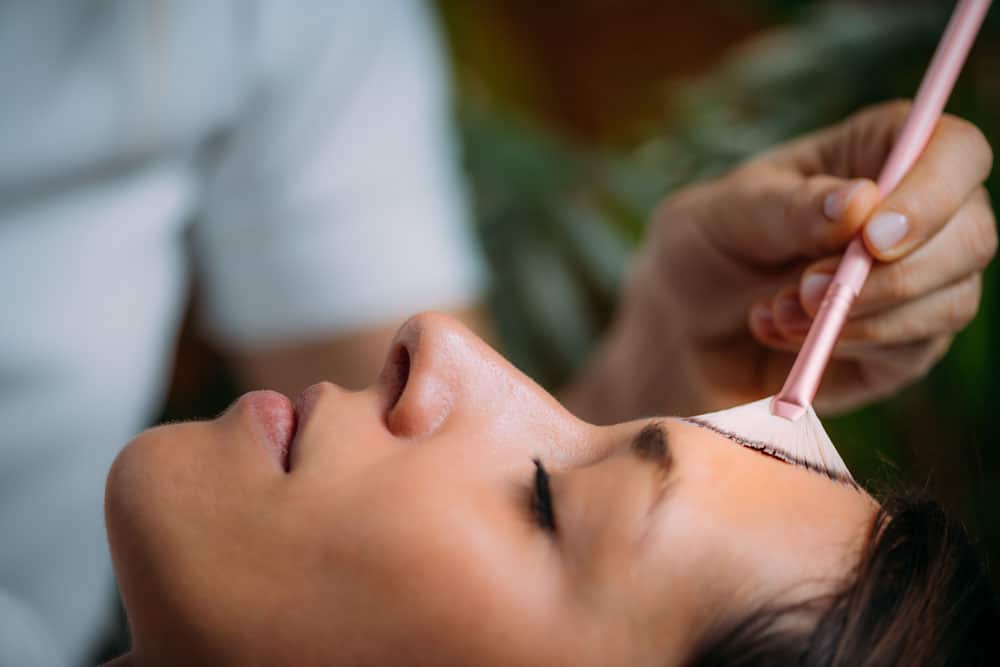
You walk into a medical spa, sit down and say, “I want a chemical peel.” Simple enough, right?
Not exactly. Chemical peels are an entire category of treatment. There are dozens of formulations on the market, each with different formulations and strengths, and each designed to reach different concerns and layers of your skin. Picking the wrong one can mean wasted time (and money) on a treatment that wasn’t right for you from the beginning.
Don’t choose a peel just because a friend had a good experience with it or an influencer recommended it on TikTok. Come see a skin expert at Laser Aesthetics of Cape Cod who can clinically evaluate your skin and personalize your treatment plan.
What Does “Type” Mean When It Comes to Chemical Peels?
When people talk about chemical peel types, they tend to mix up two separate classification systems: how deep the peel goes and which acid is the primary active ingredient. These are related but not the same thing. A peel can be superficial and still use a potent acid at a low concentration. A medium-depth treatment might be formulated around a milder ingredient that’s left on the skin longer.
Confusing depth with chemistry is one of the most common reasons patients request the wrong peel for their skin. Here’s a quick way to think about it: a peel’s depth tells you how much recovery time you may need and how many peels might be in your treatment plan, while its acid chemistry tells you what concerns it can effectively target. Your LACC provider takes both into consideration when designing your plan.
Classifying Chemical Peels by Depth
Peel depth describes how far into the skin a treatment reaches.
Superficial Peels
Superficial peels target the epidermis, the outermost layer of skin. They’re gentle enough for first-time patients and usually involve little to no visible flaking afterward. Think of a superficial peel as a maintenance treatment more than a dramatic before-and-after moment. Regular superficial peels can keep your skin looking bright and even, but they won’t address deep texture or significant sun damage.
Medium Peels
Medium peels extend into the upper dermis to target concerns that superficial treatments can’t reach, including fine lines, moderate sun damage and stubborn discoloration. Recovery runs anywhere from a few days to about a week, depending on the specific formula used and your skin’s sensitivity. Most patients notice a visible difference after just one session, which is why medium peels tend to be the sweet spot for people who want results without a lengthy recovery.
Deep Peels
Deep peels go further still, reaching into the lower layers of the dermis to address more pronounced concerns like significant acne scarring or advanced photoaging. The tradeoff is recovery time, which can stretch to several weeks. These treatments require careful planning and a provider who knows how to manage the healing process. The payoff, though, is the most dramatic and longest-lasting improvement you can get from a chemical peel.
Classifying Chemical Peels by Acid
The second way to categorize peels is by their active ingredient.
Alpha-Hydroxy Acids (AHAs)
Alpha-hydroxy acids like glycolic acid and lactic acid are water-soluble, meaning they work on the skin’s surface to loosen the bonds between dead cells. AHA peels (like our Illuminize Peel from SkinMedica) are great for brightening dull skin, evening out your tone and smoothing minor texture irregularities. If your primary concern is that your skin just looks tired or flat, an AHA-based formula is usually a great starting point.
Beta-Hydroxy Acids (BHAs)
Beta-hydroxy acids, with salicylic acid being the most common, are oil-soluble. Salicylic acid can cut through sebum, allowing it to penetrate into clogged pores in a way that water-soluble acids simply cannot. If you’re dealing with breakouts, congested skin or excess oil production, a BHA peel is the best choice for those concerns.
Trichloroacetic Acid (TCA)
TCA is a stronger acid used in treatments like PRX Derm Perfexion and the Perfect Derma Peel. It reaches into the dermis to stimulate collagen production while resurfacing deeper texture issues and pigmentation. TCA peels are often the go-to recommendation for patients who need more correction than an AHA or BHA can provide but aren’t ready for (or don’t need) a deep phenol peel.
Growth-Factor Formulas
This is the newer kid on the block. Products like FACTORFIVE’s Renew Dermal Solution take a completely different approach by skipping acid exfoliation altogether. Instead, they use regenerative signaling to improve tone and texture without the flaking, redness or downtime that comes with traditional peels. Some providers call these “no-peel peels,” and they’re becoming a popular option for patients who want improvement but can’t afford even a day or two of visible recovery.
Choosing a Chemical Peel Based on Your Skin Goal
You likely have a main goal or two you’re hoping to achieve. The right choice of peel naturally follows.
Sun Damage and Uneven Pigmentation
A medium-depth TCA peel or a brightening AHA formula tends to produce the most visible correction for sun damage. Both work by accelerating the turnover of damaged surface cells, encouraging fresher, more evenly pigmented skin to take their place. This category of peel can make a difference in the appearance of unwanted pigmentation in just one or two sessions.
Active Breakouts or Acne Scarring
A salicylic-acid-based BHA formula is usually the starting point. For active acne, a typical treatment plan starts with a series of peels spaced two to four weeks apart. After three or four treatments, your provider can reassess whether the current plan is effective or whether it makes sense to layer in a stronger peel to address any residual scarring.
Early Fine Lines and Dullness
A lighter AHA peel performed on a regular schedule often outperforms a single aggressive treatment for these concerns. Consistent, gentle exfoliation supports collagen production on an ongoing basis rather than trying to trigger one dramatic skin reset. Patients who stick with a maintenance schedule tend to see cumulative improvement that builds on itself month after month.
When Is the Best Time of Year for a Chemical Peel?
Timing your chemical peel correctly is important, especially on Cape Cod. Freshly treated skin is more vulnerable to UV damage during the healing process. The deeper the peel, the more protection and sun avoidance it requires. Life on the Cape often involves sun exposure, which means summer is the worst season for a medium or deep peel.
The sweet spot for more intensive treatments runs from roughly Labor Day through early spring. UV levels drop, you’re spending less time outdoors and your skin can recover without you having to go to extreme measures to protect it. Lighter maintenance peels are more forgiving and can typically be scheduled year-round, as long as you commit to applying a broad-spectrum sunscreen every day before and after treatment.
Schedule Your Chemical Peel Consultation on Cape Cod
Knowing the difference between depth and chemistry is a great first step, but the real benefits come when someone who understands skin can look at yours in person and match it to the right treatment. At Laser Aesthetics of Cape Cod, that conversation happens right here in Hyannis, so you don’t need to go off-Cape for expert care. Schedule a consultation by calling (508) 778-6363 or booking online.